Week 6: BioTech and Art
As someone who is interested in health and medicine, the food component of this week's biotech material was especially interesting to me. I understood somewhat the relationship of food production to health but I did not realize the many interconnected facets that make up the entire food supply chain. From the beginning of the food production process there are many factors that affect food production, including the use of biotechnology to develop feed, the types of feed that is fed to cattle, government policy, production efficiencies, and wages that employees are paid. Scientists have been able to use biotechnology to genetically edit plants and develop artificial feed to give to livestock. This is not as healthy as natural raise livestock, and can impact the food we eat. Biotechnology has also been used to produce food faster and at a lower price. Although some may think this artificial alteration is good, it has actually had some negative impacts on food production in the United States.
In particular, this food production has significant impacts on lower income people as the food that comes through this supply chain is cheaper and more accessible to people with lower incomes. This thus widens the economic disparities even further. Although food is cheaper, it is definitely not healthier. In fact, this food can be directly attributed to leading to higher rates of diseases such as hypertension and heart disease.
As someone who is passionate about combatting health disparities, I found it really interesting to see how food manufacturing contributed to widening this disparity. Residents in lower income neighborhoods not only have less access to grocery stores, they have also have less access to healthy, organic and non-GMO fresh foods. Often fresh vegetables and fruits are available in limited quantities in inner city neighborhoods as convenience stores with processes foods are more prevalent. This forces residents to choose the cheaper, processed foods over the fresh, organic food. Studies done in 10 countries found that unhealthy food is about $1.50 cheaper than healthy food. For families just trying to get by, this difference adds up fast. Additionally, according to the CDC, fewer than 1 in 10 US adults and adolescents eat enough fruits and vegetables.
 |
| Many people don't have access to fresh and healthy food |
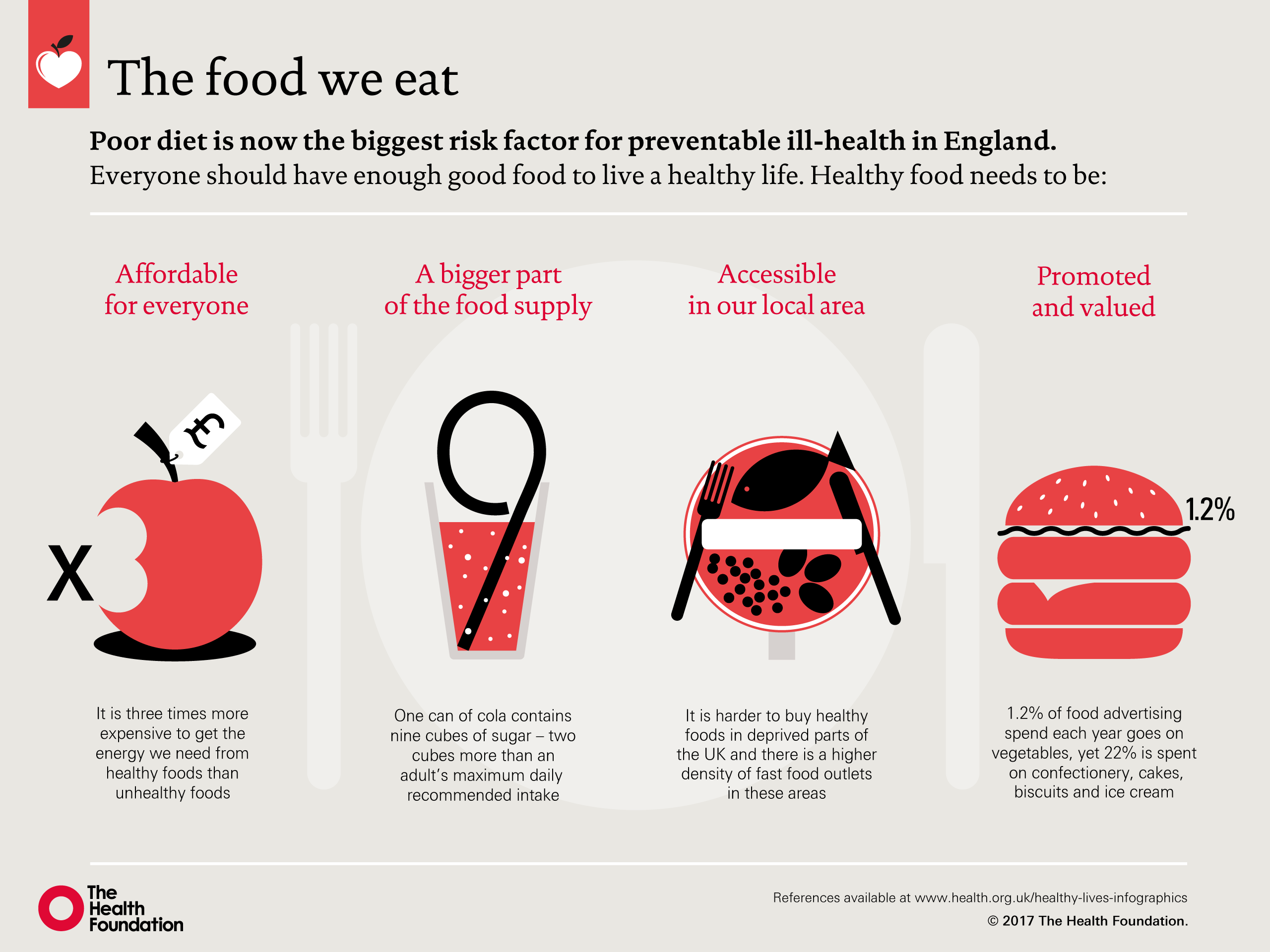 |
| Food should be accessible to everyone, however current food production does not allow this. |
I found it very fascinating to trace the entire food system back, taking a step back and analyzing the impacts of each step and seeing how each step has an impact and how far back these steps go. I always thought biotechnology was helpful to the environment, but now I disagree. I think that part of the reason places have a lack of access to food, is because of the way natural food has been manipulated and how biotechnology has changed the manufacturing process. Biotechnology has also allowed for unhealthy food to be more accessible to people, as it has allowed food to be produced at a cheaper price. I'm passionate about healthcare access and understanding all of these impacts will help me understand how they impact each other and how I could potentially help my patients in the future to be better educated about these different facets and how to change them to positively impact their health.
One art gallery in Pennsylvania, called Contemporary Craft is working to change this. They are having a "Food Justice" exhibit to fight for healthier communities and for food equity. I think this is a great idea, and can help showcase the problems with food to the greater community. I think it is also a creative solution to such a challenging problem. I hope this fair brings awareness to the issue.
 |
| Artwork from Food Justice Art fair |
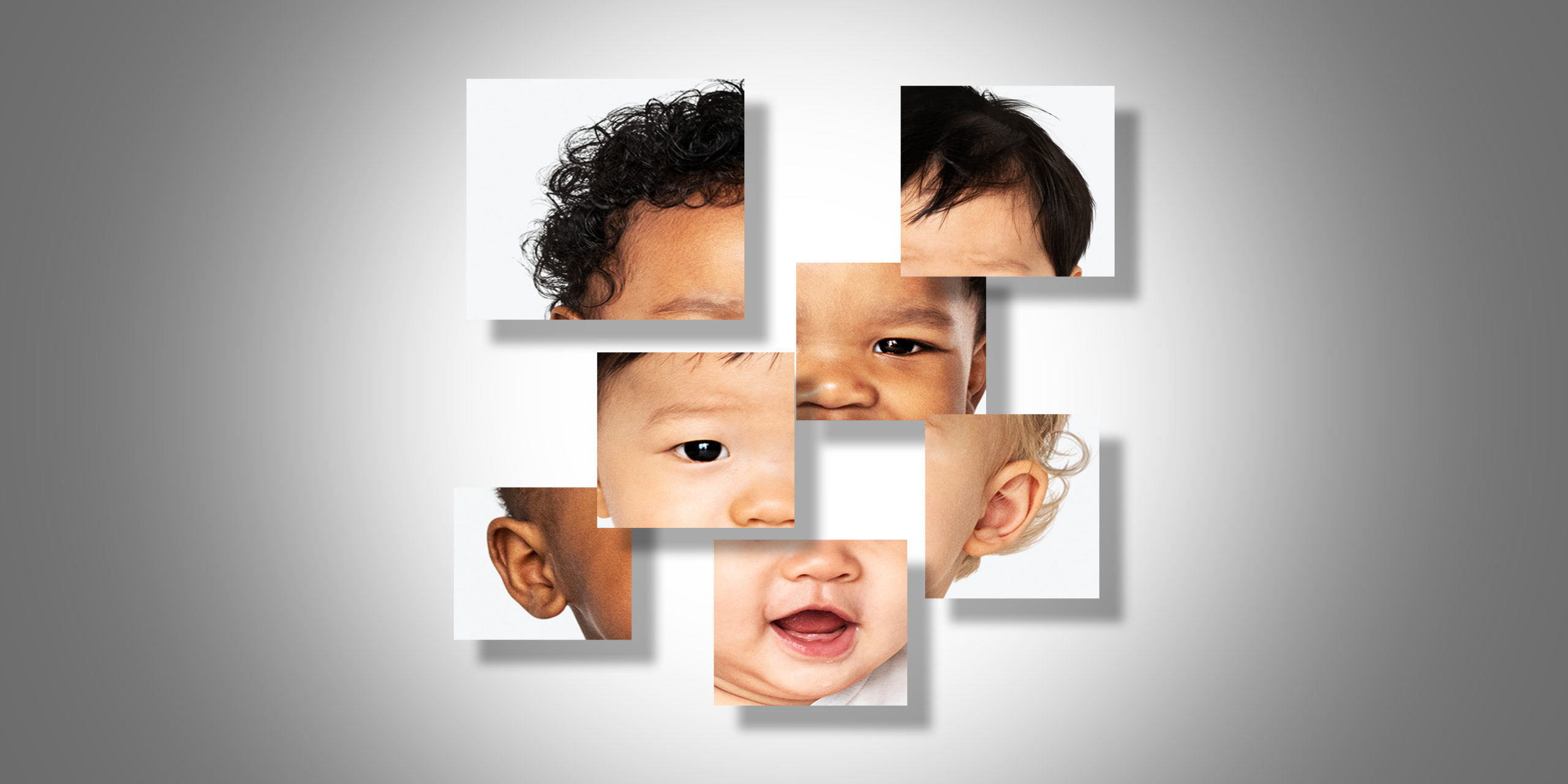 |
| Designer Babies is a product of Biotech |
“About Food Justice.” Contemporary Craft, www.exploremindfulart.com/aboutmindful.
Contemporary Craft. “Food Justice: Growing a Healthier Community through Art on Contemporary Craft.” Contemporary Craft, contemporarycraft.org/exhibition/food-justice/.
“Our Food and Our Health.” The Health Foundation, www.health.org.uk/infographic/our-food-and-our-health.
PBS. “POV | Food, Inc. | Interview with Michael Pollan | PBS.” YouTube, YouTube, 16 Apr. 2010, www.youtube.com/watch?v=0Ty0eehT8Y4.
“Poor Nutrition.” Centers for Disease Control and Prevention, Centers for Disease Control and Prevention, 11 Jan. 2021, www.cdc.gov/chronicdisease/resources/publications/factsheets/nutrition.htm.
See, Caitlin. “The Cost of Healthy Eating vs Unhealthy Eating.” The Plutus Foundation, 23 Mar. 2020, plutusfoundation.org/2020/healthy-eating-budget/.
Snyder, Tanya, et al. “Food Deserts: Another Way the Deck Is Stacked Against Car-Free Americans.” Streetsblog USA, 4 Jan. 2011, usa.streetsblog.org/2011/01/04/food-deserts-another-way-the-deck-is-stacked-against-car-free-americans/.
Tadashi. “30 Interesting Facts About The Green Revolution, A New Age For Agriculture.” Facts.net, Facts.net, 22 Dec. 2020, facts.net/science/technology/green-revolution-facts/.
Universe Staff, et al. “Designer Babies: Rogue Science or Future Option?” The Daily Universe, 28 Feb. 2020, universe.byu.edu/2020/02/18/designer-babies-rogue-science-or-future-answer/.


Comments
Post a Comment